


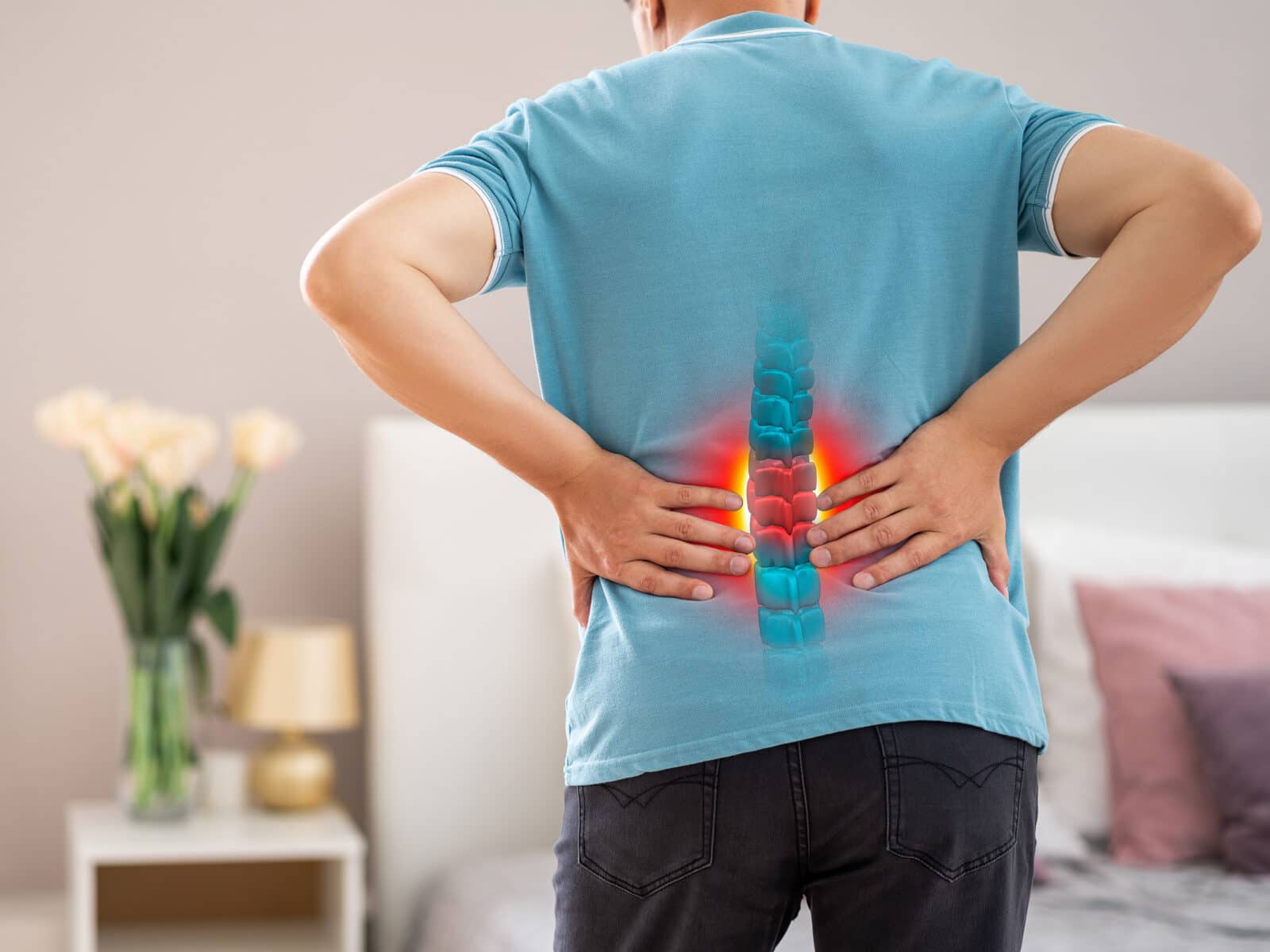
What is a Herniated Disc?
A herniated disc (also known as a slipped disc or ruptured disc) is a condition affecting the spine in which one of the intervertebral discs—soft, gel-like cushions that act as shock absorbers between the bones (vertebrae)—becomes damaged or displaced. Here’s a breakdown:
Structure of an Intervertebral Disc
1. Annulus Fibrosus: The tough, outer ring made of cartilage.
2. Nucleus Pulposus: The soft, jelly-like inner core that provides flexibility and cushioning.
What Happens in a Herniated Disc
- The outer layer (annulus fibrosus) tears or weakens.
- The inner gel-like core (nucleus pulposus) bulges out or leaks through the tear.
- The displaced material may press on nearby nerves or the spinal cord, causing pain or other symptoms.
Common Causes
- Age-related degeneration: Over time, discs lose hydration and elasticity, making them more prone to herniation.
- Trauma or injury: Sudden movements, heavy lifting, or a fall can cause a disc to herniate.
- Repetitive stress: Repeated motions or prolonged poor posture can put stress on the spine.
- Genetics: Some individuals may have a predisposition to weakened discs.
Symptoms
The symptoms of a herniated disc depend on its location and whether it compresses nearby nerves:
1. Pain:
- Sharp or burning pain in the affected area.
- Pain may radiate (e.g., down the arms for a cervical herniation or down the legs for a lumbar herniation, known as sciatica).
2. Numbness or tingling:
- In the area served by the affected nerve.
3. Weakness:
- Muscle weakness or difficulty performing specific movements due to nerve compression.
4. Reduced mobility:
- Stiffness or discomfort while bending or twisting.
Common Locations
1. Cervical Spine (Neck): Affects nerves in the neck, shoulders, arms, and hands.
2. Thoracic Spine (Mid-back): Less common but can cause mid-back or chest pain.
3. Lumbar Spine (Lower Back): Most common site, affecting nerves in the lower back, buttocks, and legs.
Diagnosis
- Physical examination: Assessing pain, reflexes, and muscle strength.
- Imaging tests:
- MRI: Most effective for visualizing disc damage and nerve compression.
- CT scan or X-rays: To rule out other conditions.
Treatment Options
1. Conservative Treatments:
- Rest, physical therapy, and medications (e.g., pain relievers, anti-inflammatories).
- PEMF therapy, chiropractic care, or acupuncture as complementary options.
2. Injections:
- Corticosteroid injections to reduce inflammation and pain.
3. Surgery (in severe cases):
- Microdiscectomy or laminectomy to remove or repair the damaged disc.
How can PEMF help?
PEMF can potentially help with herniated discs in the following ways:
Pain Relief
PEMF therapy can reduce pain associated with herniated discs by:
- Stimulating the production of endorphins, the body’s natural painkillers.
- Reducing nerve irritation and inflammation, which are common sources of pain.

Reduced Inflammation
PEMF therapy improves blood circulation, helping to decrease swelling and inflammation in the affected area. This reduction in inflammation can alleviate pressure on nearby nerves caused by the herniated disc.
Enhanced Tissue Healing
PEMF stimulates cellular repair and regeneration by improving the energy (ATP) production in cells.
It may promote healing of the damaged disc tissue, enhancing recovery over time.
Improved Mobility
By reducing pain and inflammation, PEMF therapy can improve flexibility and range of motion, helping individuals regain normal movement.
Support for Spinal Alignment
PEMF can assist in relaxing surrounding muscles, potentially reducing muscle spasms that exacerbate spinal misalignment caused by herniated discs.
Clinical Considerations
PEMF therapy is typically used as a complementary treatment alongside physical therapy, chiropractic care, or other medical interventions.
The effectiveness may vary depending on the severity of the herniation, the individual’s overall health, and the consistency of PEMF use.