

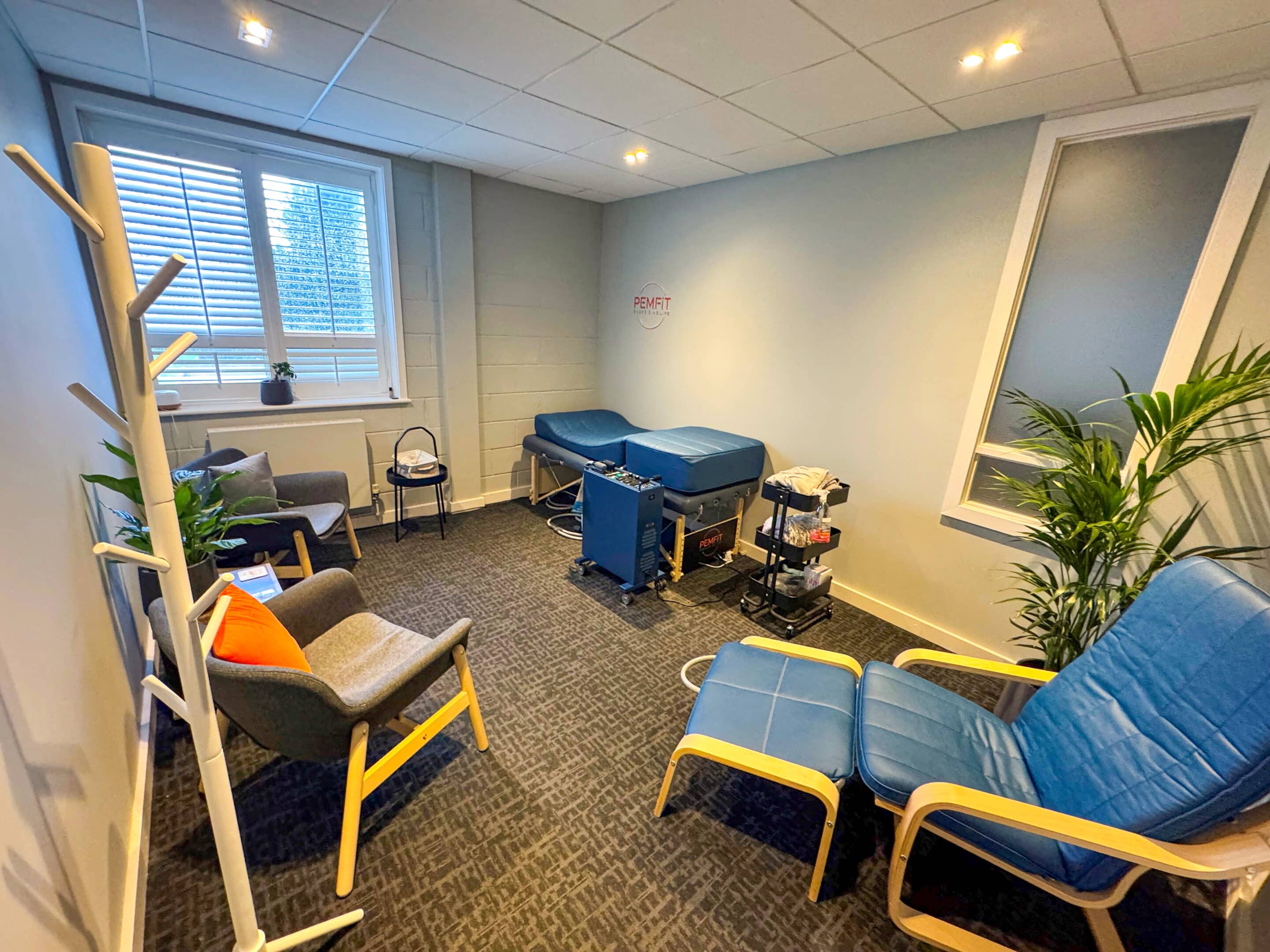

How a PEMFiT PEMF Session May Help with Osteoarthritis
During a PEMFiT PEMF session, the Pulse PEMF system emits electromagnetic waves targeted at the affected joints, which may stimulate cellular activity and promote tissue repair. This therapy may increase cellular energy, aiding in the reduction of inflammation and pain. The electromagnetic fields may also enhance blood flow, delivering more oxygen and nutrients to the joints.
Each session lasts 40 minutes, with cumulative effects; regular sessions may significantly improve joint mobility and comfort. PEMF therapy is non-invasive, painless, and safe for long-term use, making it a suitable option for those managing osteoarthritis symptoms. At PEMFiT, we have assisted many clients in managing osteoarthritis effectively.

Benefits of PEMF Therapy
PEMF therapy offers various health benefits supported by scientific research. It may help reduce inflammation, improve circulation, accelerate tissue repair, and alleviate pain. PEMF may also enhance cell metabolism, aiding in detoxification and oxygenation, which leads to faster recovery times. It may be beneficial for chronic pain relief, as it may stimulate the body’s endorphin production, a natural painkiller. Research also supports that PEMF may improve sleep quality, mood, and overall well-being by regulating nervous system function. Additionally, studies show that PEMF may enhance immune function by promoting white blood cell activity, leading to quicker recovery from illnesses or injuries.
Benefits of PEMF Therapy for Osteoarthritis
PEMF therapy may be an effective adjunct treatment for managing osteoarthritis symptoms. The electromagnetic pulses boost the body’s cellular energy, which may stimulate tissue repair and reduce joint inflammation. PEMF has been studied for its ability to alleviate pain and improve joint function. Below are key findings from research highlighting how PEMF supports osteoarthritis management:
1. PEMF Therapy for Osteoarthritis (2018)
- Findings: Research indicates PEMF therapy significantly reduces pain and improves function in patients with knee and hand osteoarthritis.
2. PEMF Therapy for Knee Osteoarthritis (2020)
- Findings: Systematic reviews and meta-analyses confirm PEMF therapy has clinically significant effects on pain reduction and physical function improvement.
3. Randomised Controlled Trials on PEMF Therapy (2016)
- Findings: Studies demonstrate that PEMF therapy effectively reduces pain and enhances mobility in knee osteoarthritis patients.
4. Systematic Review on PEMF Therapy (2013)
- Findings: Research supports PEMF as a non-invasive treatment providing significant pain relief and functional improvement in knee osteoarthritis.
5. Comparative Study on PEMF and Low-Level Laser Therapy (2023)
- Findings: Findings suggest PEMF therapy is as effective as low-level laser therapy in managing early knee osteoarthritis symptoms.
What is PEMF?
Pulsed Electromagnetic Field (PEMF) therapy uses low-frequency electromagnetic waves to stimulate the body’s natural healing processes. The concept is based on the idea that every cell in the body holds an electrical charge which decreases as we age, and PEMF therapy may enhance cellular function by sending targeted energy pulses to the body, effectively cellular exercise for your body. These energy waves penetrate deeply into tissues, encouraging cellular repair, reducing inflammation, and promoting overall wellness.

PEMF devices are non-invasive, and here at PEMFiT, they come in the form of full-body contour beds and chairs, along with various accessories (pads, rings, cubes) that can be used to target specific areas of the body. The Pulse PEMF XL Pro machines and accessories used here at PEMFiT are the most cutting-edge PEMF systems on the market. PEMF therapy is widely used in pain management, injury recovery, and improving circulation. Athletes often use it to speed up recovery, while chronic pain patients rely on it as it may alleviate discomfort. PEMF is also recognised for its role in osteoarthritis management, as it may reduce joint pain and stiffness.
What is Osteoarthritis?
Osteoarthritis is a degenerative joint condition that occurs when the protective cartilage cushioning the ends of bones wears down over time. This leads to joint pain, stiffness, swelling, and decreased mobility. Osteoarthritis is the most common form of arthritis and primarily affects weight-bearing joints such as the knees, hips, and spine, but it can also impact the hands and other joints.
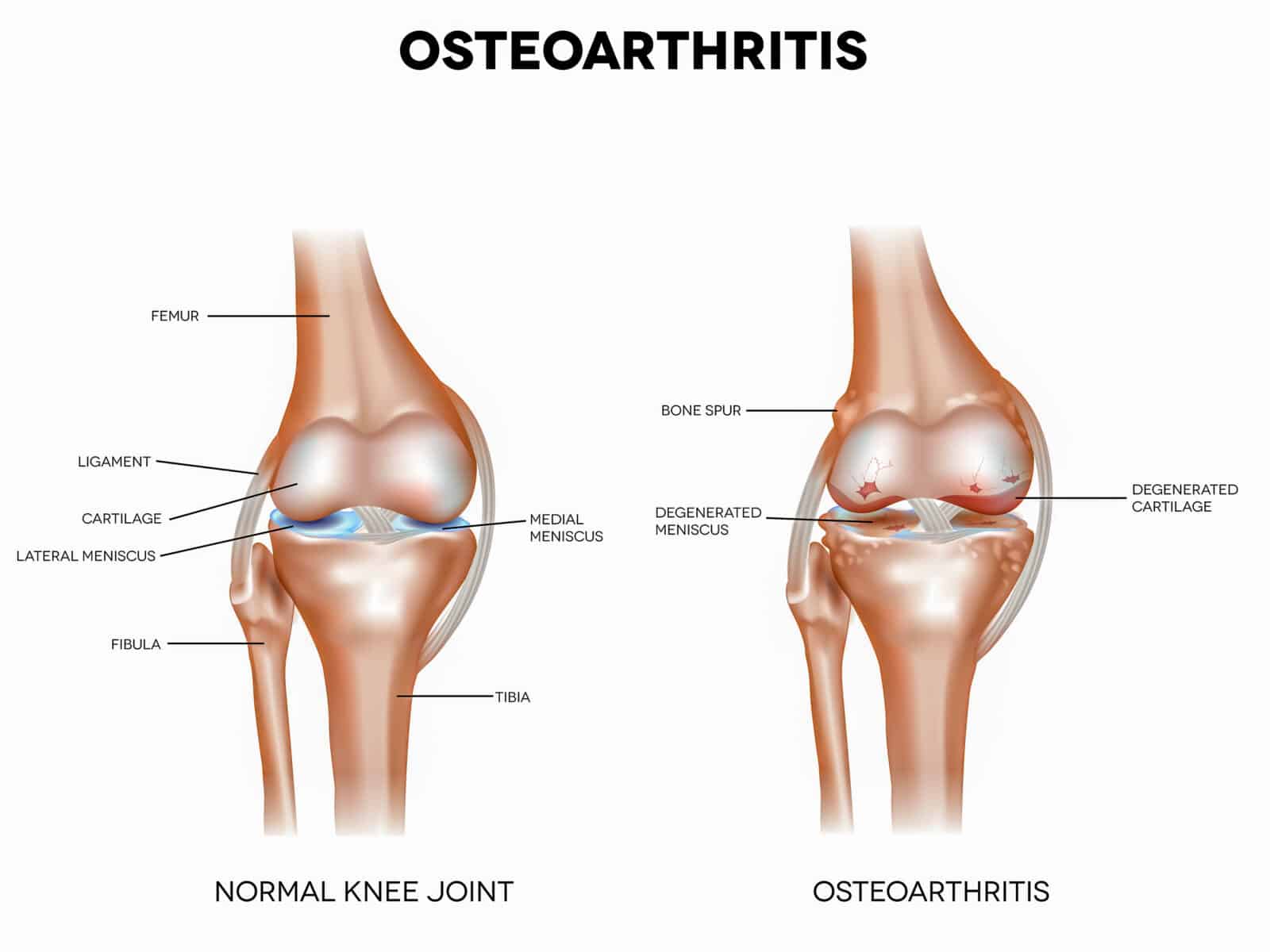
The condition typically develops gradually, with symptoms worsening over time. While osteoarthritis is more common in older adults, it can also occur in younger individuals due to joint injuries, repetitive stress, or genetic predisposition. Factors such as obesity, ageing, joint misalignment, and past injuries can contribute to the progression of osteoarthritis.
Managing Osteoarthritis
Managing osteoarthritis effectively requires a combination of strategies aimed at reducing pain, maintaining mobility, and enhancing overall quality of life. Engaging in low-impact exercises such as swimming, walking, or yoga can help strengthen the muscles around affected joints, improving stability and flexibility.
A nutrient-rich diet, particularly one high in anti-inflammatory foods such as fruits, vegetables, and omega-3 fatty acids, may assist in managing inflammation. Maintaining a healthy weight is also essential, as excess body weight places undue stress on the joints, exacerbating symptoms.

Physical therapy and specific exercises can enhance joint function, while heat and cold therapy may offer temporary relief from pain and stiffness. Some individuals find alternative therapies, such as acupuncture or massage therapy, beneficial for symptom management.
Furthermore, advancements in technology, including PEMF therapy, may aid in cellular repair, improve circulation, and reduce joint stiffness, offering additional support for osteoarthritis sufferers. Consulting a healthcare professional and exploring various management strategies may empower individuals to maintain an active and fulfilling lifestyle despite osteoarthritis.
Why Choose PEMFiT for Your PEMF Therapy?
The effectiveness of PEMF therapy largely depends on the quality of the equipment and the expertise of the practitioners. At PEMFiT, we utilise the high-powered Pulse PEMF XL Pro systems and professional-grade full-body contour PEMF beds, delivering significantly stronger and more targeted electromagnetic fields than the lower-powered PEMF mats commonly available on platforms like Amazon. While these budget-friendly options may provide some benefits, they often lack the depth and precision required to stimulate deeper tissues, which may deliver meaningful therapeutic results.
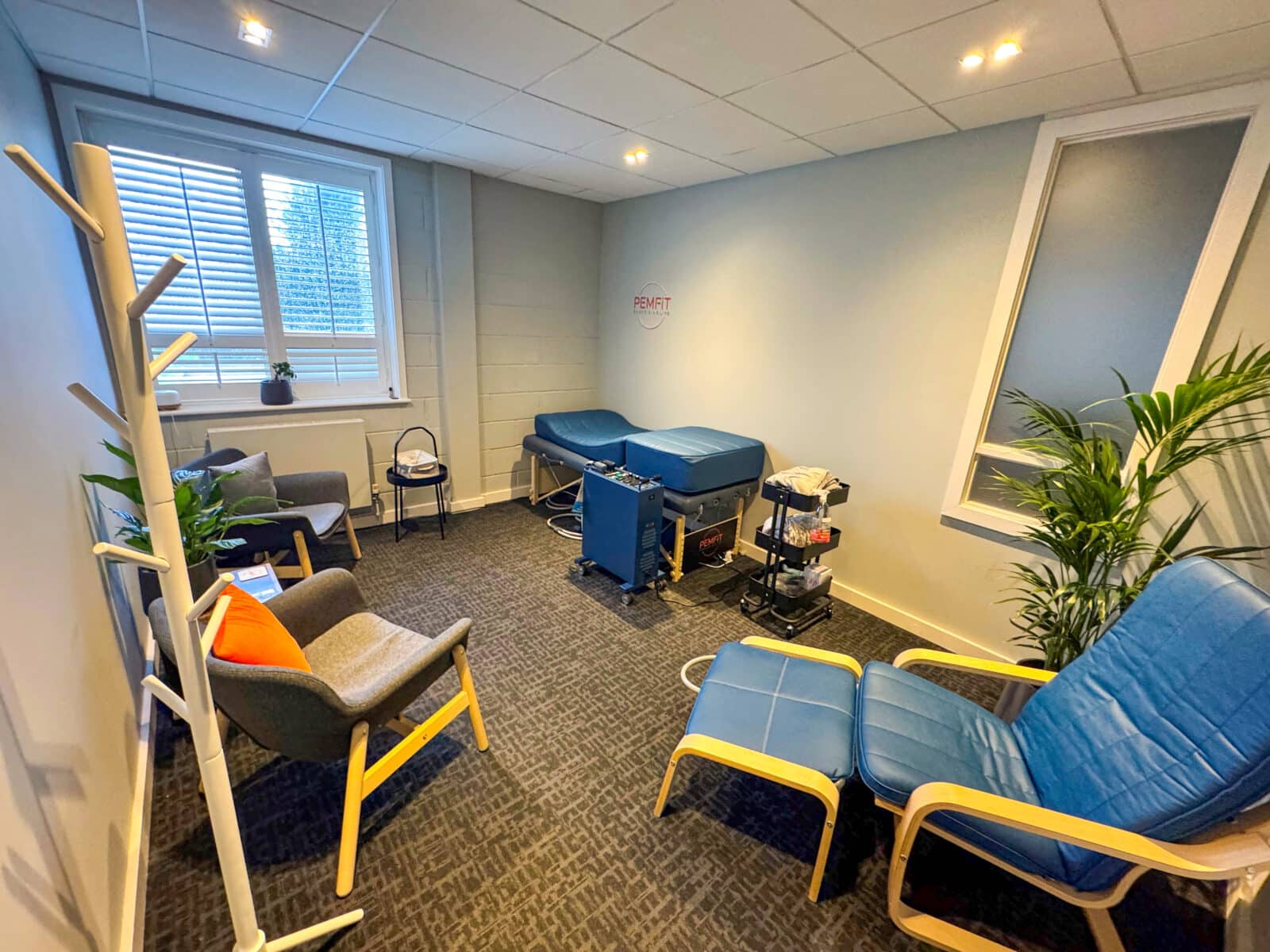
Our PEMF sessions are administered by highly trained Pulse Professionals who have successfully completed the rigorous Association of PEMF Professionals (AOPP), Pulse PEMF, and PEMFiT Academy for training and certification. This ensures that each session is tailored to your specific needs, maximising the effectiveness of the session. By combining the advanced capabilities of the Pulse PEMF XL Pro with the expertise of our team, PEMFiT offers a superior level of care and therapeutic benefits that cannot be matched by home-use devices.
PEMFiT Customer Testimonials
Nothing speaks louder than the experiences of those who have benefited from PEMF therapy at PEMFiT. Explore testimonials from clients who have used PEMF to support their management of arthritis and other health challenges. Their stories highlight the potential of this non-invasive and effective treatment.
References
1. PEMF Therapy for Osteoarthritis (2018)
- Source: BMJ Open
- URL: https://bmjopen.bmj.com/content/8/12/e022879
2. PEMF Therapy for Knee Osteoarthritis (2020)
- Source: Physical Therapy Journal (Oxford Academic)
- URL: https://academic.oup.com/ptj/article/100/7/1118/5816580
3. Randomised Controlled Trials on PEMF Therapy (2016)
- Source: Rheumatology (Oxford Journal)
- URL: https://academic.oup.com/rheumatology/article/55/4/755/1833454
4. Systematic Review on PEMF Therapy (2013)
- Source: Rheumatology (Oxford Journal)
- URL: https://academic.oup.com/rheumatology/article/52/5/815/1815326
5. Comparative Study on PEMF and Low-Level Laser Therapy (2023)
- Source: BMC Geriatrics
- URL: https://bmcgeriatr.biomedcentral.com/articles/10.1186/s12877-022-03568-5